
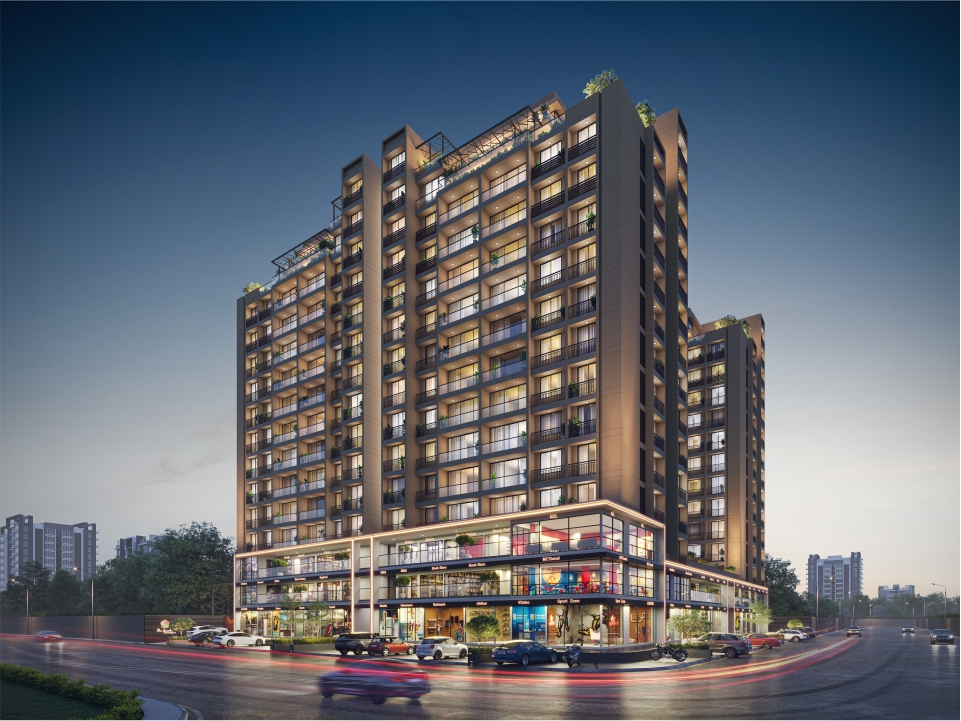
Constructing a residential project involves several organized steps, each important for the successful completion of the building.
1. Land Selection: The first step is choosing a suitable location. Developers look for areas with good connectivity, access to facilities, and potential for growth. Legal checks are also done to ensure clear ownership and proper zoning.
2. Planning and Designing: Once the land is finalized, architects and engineers plan the layout. This includes designing flats, amenities, parking areas, and landscaping. The design must follow local building codes and cater to the needs of future residents.
3. Government Approvals: Before starting construction, developers must get various approvals—like building permits, environmental clearance, and fire safety certificates. These are essential for legal and safe construction.
4. Construction Phase: This is the actual building stage. It begins with site preparation and foundation work, followed by the main structure, walls, plumbing, wiring, and finishing. Quality checks and safety protocols are followed throughout.
5. Marketing and Sales: While construction is ongoing, marketing teams promote the project through advertisements, site visits, and digital platforms. Bookings begin, and early buyers often get attractive offers.
6. Handover and Possession: Once the project is complete, final inspections are done. After receiving the occupancy certificate, the property is handed over to the buyers. Some developers also offer after-sales services for repairs or maintenance.
Each step requires coordination, planning, and execution to deliver a successful residential project that residents can proudly call home.